A sea chub in the family Kyphosidae. California's portal lists Catalina Blue Perch as an alias for Halfmoon, Medialuna californiensis.
Southern California fish guide
Halfmoon (Blue Perch)
Medialuna californiensis
- blue perch
- Catalina blue perch
- blue bass
- blue wizard
- blooper
The Southern California landing label Blue Perch commonly refers to Halfmoon. Confirm the deep blue-gray body, small mouth, long dorsal fin, and strongly forked tail before treating the count label as identification.
How this guide is sourced, reviewed 2026-07-28, 7 records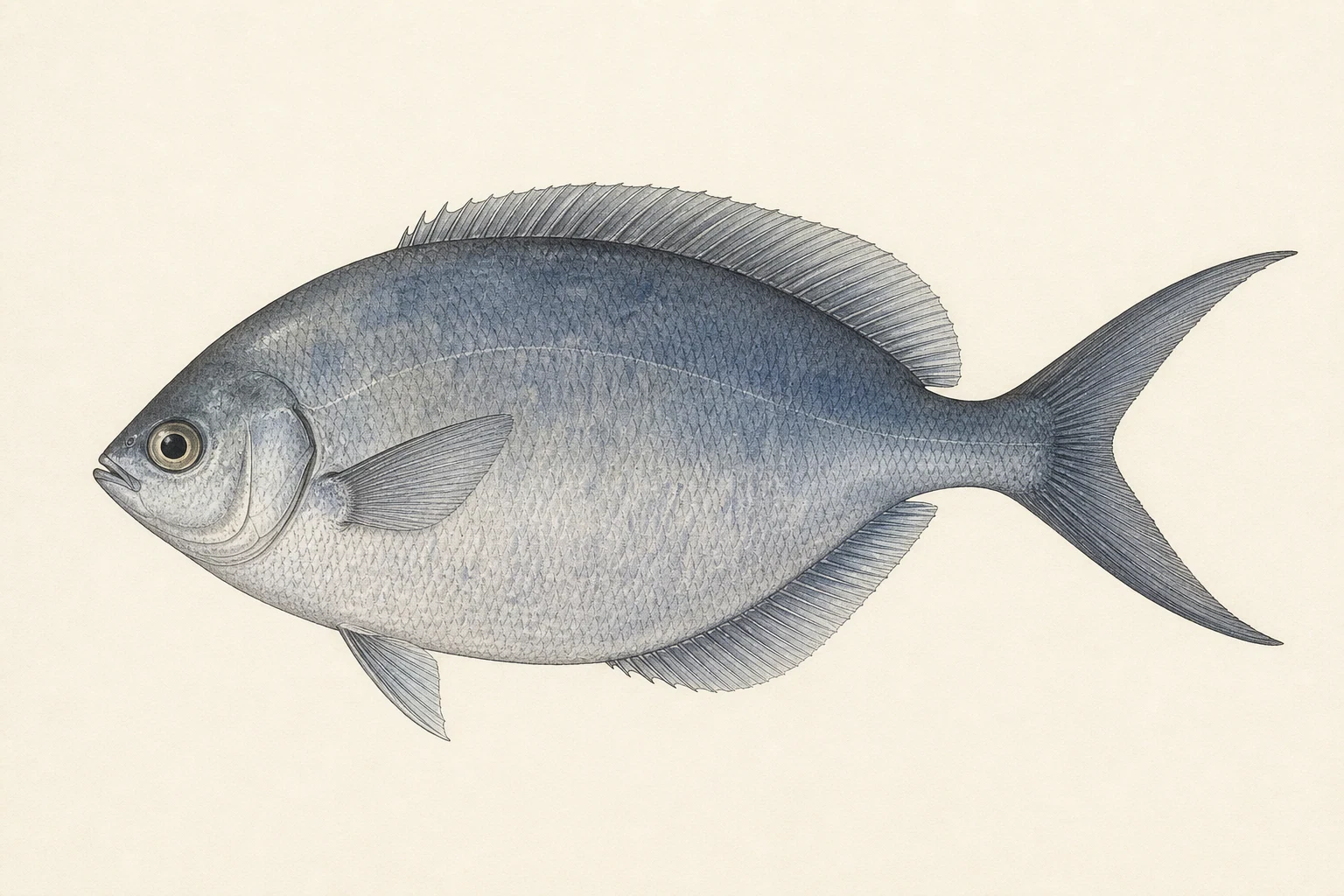
- Deep blue-gray bodyThe body is oval and compressed with a blue-gray to dark gray cast, not the elongate profile of a surfperch.
- Small mouthA short blunt head and small terminal mouth contrast with the large jaw of basses and croakers.
- Strongly forked tailThe crescent-like forked tail and long low dorsal fin complete the halfmoon silhouette.
See habitat reference
At a glance
Sources stay attached to every fact
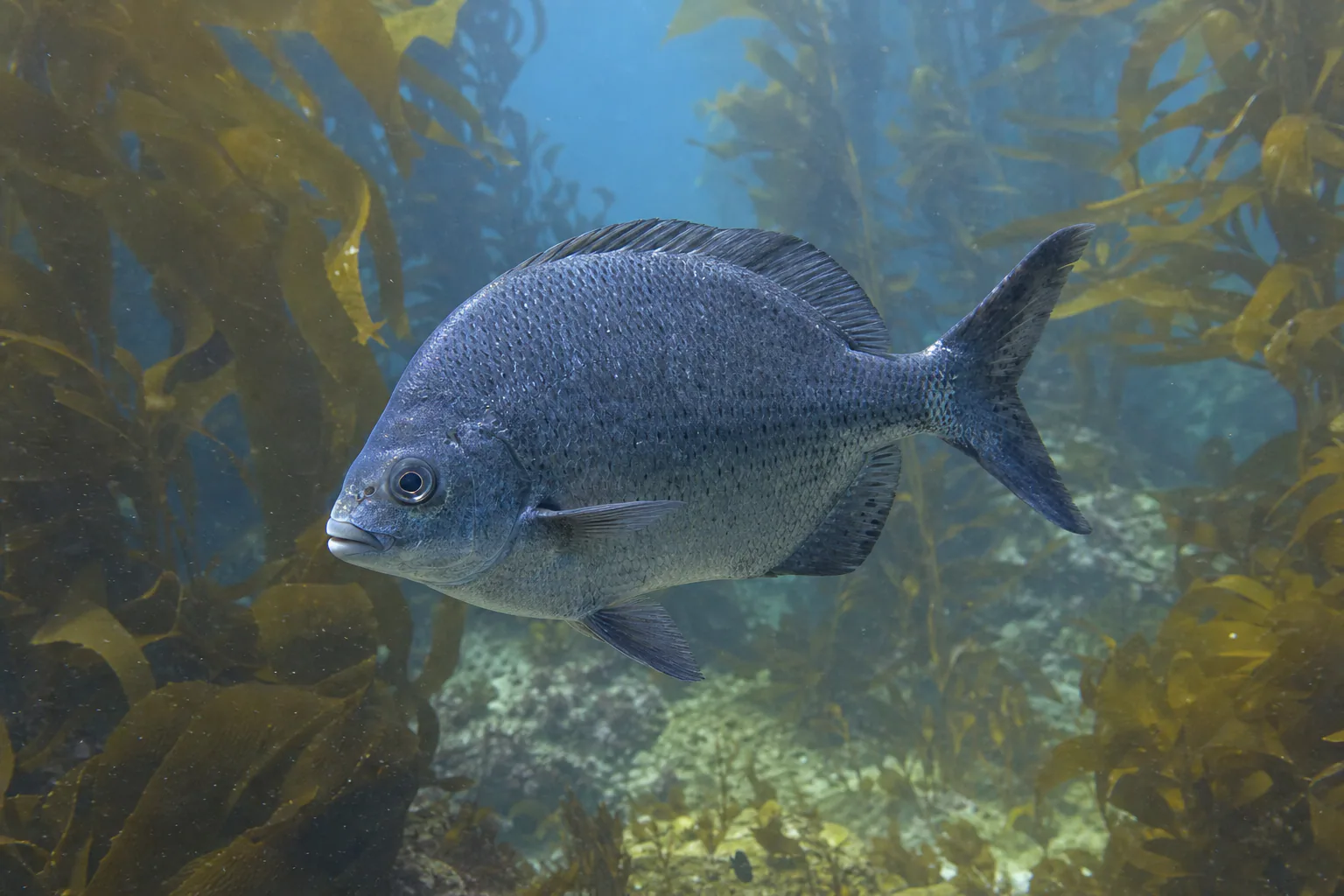
Nearshore rocky reefs, kelp beds, jetties, and islands from shallow water into deeper reef habitat, often above or beside structure.
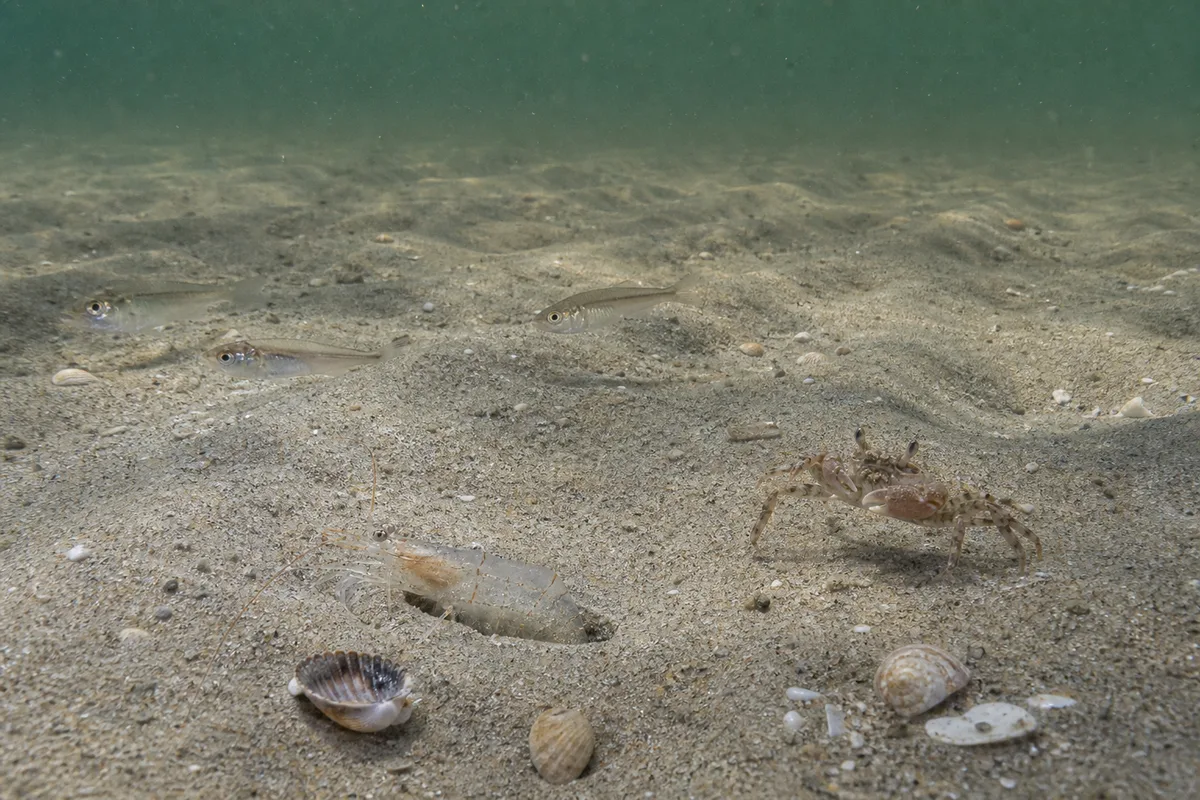
Consumes algae and a range of small invertebrates, with feeding opportunity changing by size and habitat.
Halfmoon is managed under current California ocean finfish rules. Confirm species, general bag rules, marine protected areas, and any current local restrictions before retention.
A source-backed starting point
Bait & Tackle
Start here before you rig for Halfmoon (Blue Perch). Adjust the final setup for depth, current, and local conditions.

What to offer
Natural & live bait
Not specified in the reviewed sources for this dossier.
Source gap

Fish guide
Quick answers with sources when you need them
Read multiple featuresIdentification & look-alikes
The body is oval and compressed with a blue-gray to dark gray cast, not the elongate profile of a surfperch. A short blunt head and small terminal mouth contrast with the large jaw of basses and croakers. The crescent-like forked tail and long low dorsal fin complete the halfmoon silhouette.
Use body shape, fin placement, color pattern, and the official California identification resources together. Never make a keep decision from one color mark or a count-category name alone.
Scale changes the silhouetteSize & growth
Match the forage classDiet
How the fish uses the waterBehavior

Start with structure and water columnHabitat & depth

Availability is not a promiseSouthern California seasonality
Decide before the fish reaches the railHandling & release
Use tackle strong enough to land the fish without an exhausting fight, and keep a dehooker or suitable release tool ready.
If releasing, dehook in the water when possible. Never gaff a fish you plan to release, keep air exposure brief, wet your hands, avoid eyes and gills, and support the body rather than hanging the fish by its mouth.
Face a sluggish fish into the current until it can swim away under its own power.
Snapshot checked 2026-07-28
California regulations
Halfmoon is managed under current California ocean finfish rules. Confirm species, general bag rules, marine protected areas, and any current local restrictions before retention.
Halfmoon is managed under current California ocean finfish rules. Confirm species, general bag rules, marine protected areas, and any current local restrictions before retention.
Review the general ocean regulations for possession, filleting, gear, protected-area, and boat-limit rules before departure.
Trip planning
Counts, trips, landings, and boats
Recent verified countsOpen the live count view. Missing source reports remain labeled, never converted to zero.
Current source status →Open tripsBrowse verified schedule inventory. Current beta inventory does not claim that a trip targets this species.
Targeting not yet verified →Landing sourcesInspect official count and schedule sources by Southern California landing.
Source directory →Boats reporting tripsSee boats present in verified schedule feeds. Species targeting is shown only when a source proves it.
Honest coverage →Source ledgerHow this guide is sourced7 records
- California Marine Species PortalCalifornia Department of Fish and WildlifeCurrent California common names, scientific names, and species aliases. Reviewed 2026-07-28.
- California Marine Food and Game FishesCalifornia Department of Fish and WildlifeCDFW Fish Bulletin 157 used for stable Southern California identification, distribution, habitat, and life-history context. Reviewed 2026-07-28.
- Southern Region ocean regulationsCalifornia Department of Fish and WildlifeOfficial current Southern Region season, size, bag, and possession summary. The page states it was updated July 1, 2026. Reviewed 2026-07-28.
- General ocean fishing regulationsCalifornia Department of Fish and WildlifeOfficial general limits, boat limits, gear rules, and fillet requirements. The page states it was updated July 24, 2026. Reviewed 2026-07-28.
- Marine Fish and Shellfish IdentificationCalifornia Department of Fish and WildlifeOfficial California identification hub, including rockfish groups and Southern California sport-fish references. Reviewed 2026-07-28.
- Catch and release fishing best practicesNOAA FisheriesOfficial handling and release guidance. NOAA states the page was updated September 3, 2025. Reviewed 2026-07-28.
- Ocean Sport Fishing hubCalifornia Department of Fish and WildlifeOfficial entry point for licenses, identification, current regulations, marine protected areas, advisories, and release guidance. Reviewed 2026-07-28.
Continue learning
Return to the guide for another fish, or open the latest count report for this species.